Explore Our Latest Research
Discover our ongoing interdisciplinary studies and independent insights designed to advance understanding. This page will always be a work in progress as we continue to add our work, conduct further research, collaborate with professionals, subject matter experts, and clients.

COVID-19 Origins
The amount of research and investigations into the origins of SARS-Cov-2, better known as COVID-19, is overwhelming. Often, it also falls short of developing a true understanding of where the virus came from. We’ve taken a different approach.
We go beyond the research conducted by the Wuhan Institute of Virology, grants through the NIAID, and projects through EcoHealth Alliance. Instead, we look at more than just coronavirus studies, and delve into the organizations, laboratories, research projects, key personnel, funding sources, dual-use programs, illicit shipments, and other factors using an interdisciplinary intelligence analysis.

Fragmented Cognitive Continuity: A Hidden Neurocognitive Consequence of Polypharmacy in Disabled Veterans
Traditional evaluations frequently ask whether as person can perform a task. Real life asks a very different question: can the person continue doing it reliably?
This theory begins with a distinction that is often overlooked: cognitive capacity is not the same things as cognitive continuity. Capacity can remain while continuity fails.
We also dig deeper into what sets high-consequence operations apart from other forms of work, and how that environment affects a persons mindset.
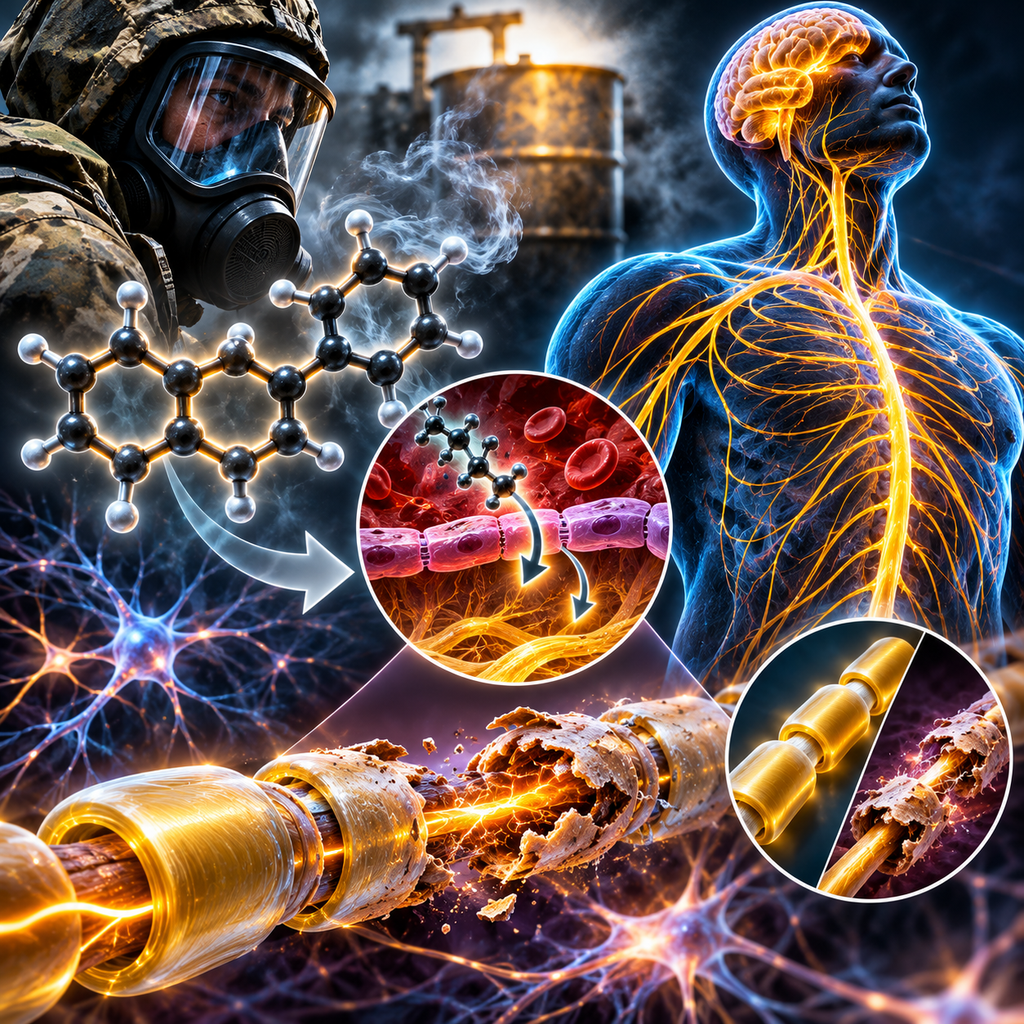
Hexacarbon Neuropathy In Military Service
Serving in the military comes with inherent risks. There’s no denying that. Those of us who served accepted those risks.
Unfortunately, many of the risks aren’t fully understood because they cross the realms of specialized medicine, toxic occupational exposures, chemical formulations, vehicle and equipment maintenance, transportation, military operations, and the acceptance that deviations occur in real world.
Here we explore what sets military chemicals apart from those used in civilian operations, and the inherent risks that come from the high operational tempo associated with a mission that has no room for failure.

Concurrent Retirement and Disability Pay (CRDP) for Chapter 61 Disability Retirees
Under 10 U.S.C. § 1201(b)(3), Congress explicitly treated a service-connected disability rated at 30 percent or higher as legally equivalent to 20 years of service for purposes of disability retirement eligibility. However, that equivalence was not carried forward when CRDP was implemented under 10 U.S.C. § 1414, resulting in the categorical exclusion of certain medically retired service members from concurrent receipt solely because their service-connected disabilities prevented them from completing 20 years of service.
This work is intentionally statute-focused and non-advocacy in nature, explaining how the inconsistency arose and how it could be resolved cleanly using Congress’s own existing language.
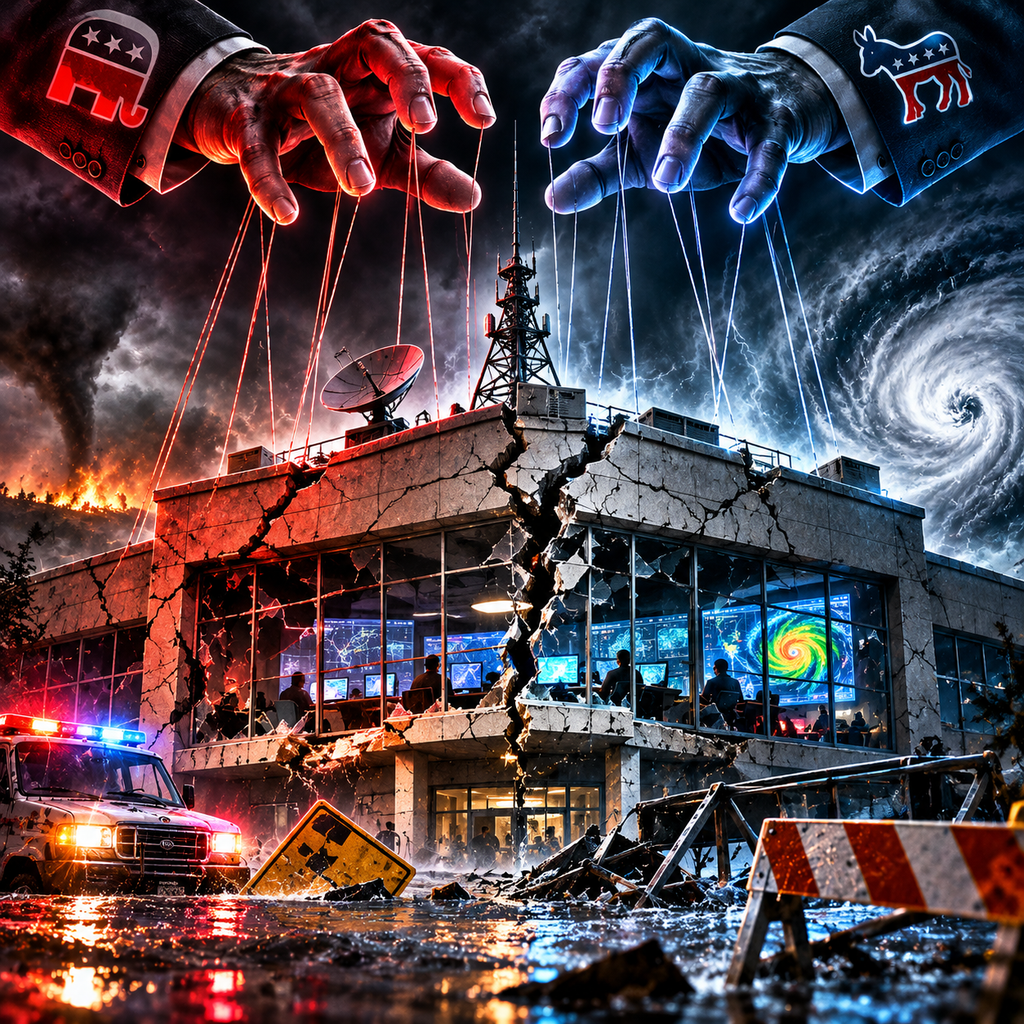
The Collapse Risk Created by Politicizing Emergency Management and Emergency Operations
Emergency Management occupies a uniquely critical coordinating role within the National Incident Management System (NIMS) and Incident Command System (ICS), and its effectiveness depends on perceived neutrality, credibility, and unity of effort.
Using events in Minnesota associated with immigration enforcement actions that were part of the controversial Operation Metro Surge as a case study, we identify departures from established Emergency Management doctrine—particularly the injection of political rhetoric into public communications and press briefings—and explain how such departures degrade responder safety, interagency coordination, and public trust.

Pandemic Respiratory Protection as a Systems Challenge at Scale
The COVID-19 pandemic represented the most extensive population-level public health intervention in modern U.S. history. Among the most visible and widely implemented measures were mask mandates intended to reduce the transmission risk in community settings.
Here we examine pandemic respiratory protection decision-making as a systems problem, rather than a question of scientific intent or individual compliance. It argues that many of the challenges observed during COVID-19 were not the result of poor motivations or flawed expertise, but rather of conceptual misalignment between established respiratory protection doctrine—largely developed for controlled occupational environments—and the realities of population-level implementation under incident conditions.